
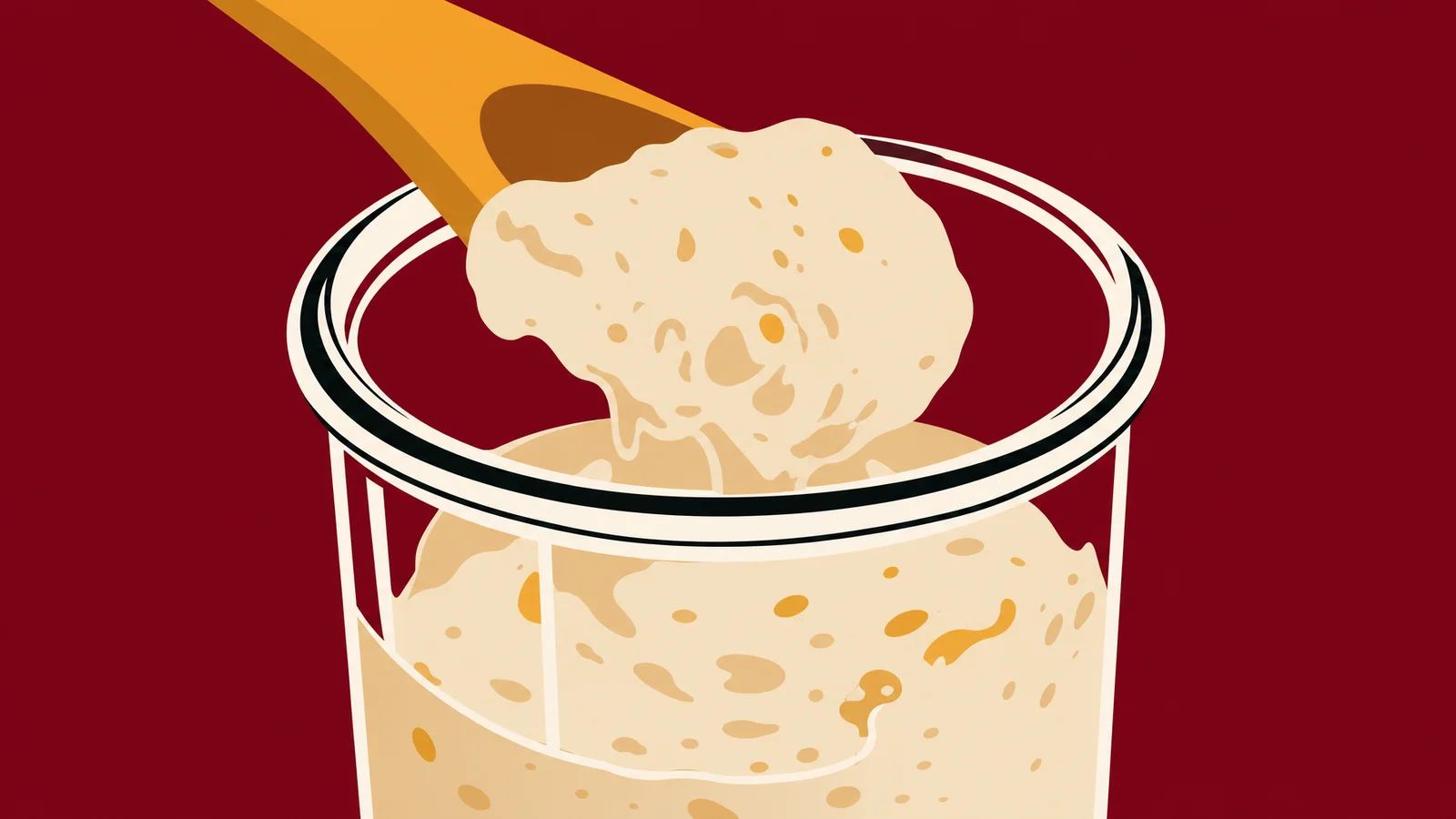
The growing cultural and commercial interest in sourdough is putting fermentation skills in the spotlight. Renewed enthusiasm for home baking has helped bring attention to a craft with a long history, while artisan and large-scale production bakeries face the challenge of delivering sourdough consistently.
For bakery teams, that challenge connects scientific understanding, hands-on technique, and production planning. It can change how responsibilities are shared, how dough is handled, and how the working day is organized. Here is how those demands play out across different bakery environments.
1. The Rise of the “Fermentation Specialist”
In a highly automated commercial bakery, a role may focus on running a large spiral mixer, feeding dough into a divider, or managing tunnel ovens. Producing sourdough adds another layer to those responsibilities: understanding how a living culture behaves.
That makes the skills of a fermentation specialist particularly valuable. Depending on the bakery, this work may belong to a dedicated technician, a head baker, or bakers who maintain starters alongside their other duties. It is a set of responsibilities rather than a universal job title.
Wild yeasts and lactic acid bacteria respond to conditions such as temperature, feeding routines, hydration, and flour composition. Bakers therefore need to combine measured times and temperatures with sensory evaluation: recognizing when a starter is ready, judging the progress of bulk fermentation, and investigating why a culture has become sluggish.
The skill is knowing when the dough needs attention—and what adjustment is appropriate. Rather than changing a recipe at random, bakers use observations and production records to make controlled decisions that the rest of the team can follow.
In a small bakery, that judgment may guide a few batches at a time. At industrial scale, the same principles must work across much larger volumes, bringing fermentation knowledge into engineering and production roles.
2. Bridging the Gap in Industrial Bakeries
Production bakeries face a practical challenge: how to scale a product shaped by fermentation while preserving its intended flavor, texture, and consistency. For high-hydration sourdough in particular, the process must accommodate dough that can be delicate and difficult to handle.
- Process engineers and technologists: Food scientists, engineers, and experienced bakers can work together to design and control fermentation systems. Their responsibilities may include temperature management, culture maintenance, acidity monitoring, and adapting recipes to automated equipment. Industrial liquid sourdough systems and dried sourdough ingredients serve different purposes: in the technological classification, Type III refers to dried sourdough, rather than a continuous fermentation process.
- Line operators with craft training: Machine-heavy production still benefits from workers who understand dough behavior. Operators need to recognize how dough stretches, resists pressure, and retains gas as it passes through dividing and shaping equipment. That understanding helps them spot handling problems, protect dough structure, and reduce waste.
The connection between science and craft becomes especially clear here. Equipment provides control and repeatability, while trained people interpret what is happening to the product. In artisan bakeries, that same relationship appears more directly at the mixing bowl, shaping bench, and oven.
3. The Shift in Artisan Bakery Labor Dynamics
For artisan bakeries building their reputation around sourdough, consistent quality depends on more than an attractive finished loaf. Teams need to coordinate starter care, fermentation, shaping, and baking across a schedule that may span more than one day.
- Schedule evolution: Long fermentation, often including a cold rest, can separate mixing and shaping from the final bake. Some processes span 24–48 hours, depending on the recipe and temperature. This can create daytime mixing, evening shaping, or staggered production windows. It does not automatically eliminate overnight or early-morning work: actual shifts depend on the bakery's equipment, staffing, opening hours, and delivery commitments.
- Broader skill expectations: Bakers working with premium sourdough benefit from understanding flavor development, dough handling, and scoring. Familiarity with different flours and grains, including spelt and emmer, can be useful when the menu calls for them. Experienced roles may require these skills from the start, while entry-level positions can provide training. Consistency, observation, and a willingness to learn remain essential foundations.
These workflows also make communication important. When one person feeds the starter, another shapes the dough, and a third handles the bake, clear records and handovers help the team maintain quality from one shift to the next.
Key takeaway: Sourdough brings science and craft together. Whether working beside an industrial fermentation tank or a stone-hearth deck oven, bakers benefit from understanding the process well enough to connect what they measure with what they see and feel.
Find Your Next Bakery Opportunity With JobCroissant
If you enjoy understanding fermentation, working with dough, and improving your technique, sourdough can be a rewarding direction for your baking career. Artisan and production environments offer different ways to apply those interests, from hands-on bread making to process control and team leadership.
Ready to explore your next step? Browse bakery and pastry job openings on JobCroissant to find opportunities that match your experience and the skills you want to develop.